Sunday, June 13, 2021

gmos, good or bad? well, both.


My position on gmos. I think they’re great. Not in all cases, but in most. They are helping solve world hunger faster than ever before. But, they have side effects. Like superweeds, and less nutritional value. But, I have to say that now that we have a solution, why critique it while it’s still new? Let it thrive, and then work on the side effects. Since norman borlogs invention of genetically modifying plants, we have seen an exponential incline in crop yield, this means that we have more supplies than demand could ever need. Yet, our diets have come to revolve around the main crops, corn, soy, and wheat. This makes us undernourished. But, we see places like whole foods making a positive impact in the food deserts of America. We will continue to work on decreasing the number of food deserts in America and making world hunger a smalled issue than it is today.


Here is a graph showing the incline in crop yield from India from 1960-2019, and you can see the incline as normans idea hit India and boosted their crop yield.


Other GMO foods, such as vitamin A-enriched Golden Rice, have been fortified with vitamins and minerals to create healthier staple foods and help prevent malnutrition.


 “The GMO Debate.” Alliance for Science, allianceforscience.cornell.edu/blog/2018/08/the-gmo-debate/#:~:text=In%20summary%2C%20GMO%20crops%20can,promote%20and%20reduce%20chemical%20use. 

Friday, June 11, 2021

chicken? or... not?

 intro


This is my Action project for the ‘Food For Thought” class unit 3. For this project, I was assigned to recreate a dish at a restaurant I enjoy at home. I originally chose to recreate the fried chicken rice from a restaurant called phodega. unfortunately, i wasn't able to and instead chose a restaurant called honey butter fried chicken. Once we had finished recreating it we would taste both of them and either film a video or write an essay on the two dishes. I decided to do an essay on my ingredients, to show weather or not my dish was better than the restaurants, and if organic is better.


I have created an interesting and exciting new dish for my household. Now, what comes to mind when you hear “fried chicken”? A nice, golden brown sliver of meat, breaded with herbs and spices, batter and simmered in oil for a few minutes, then put on a paper towel to dry, right? Well, that’s what I made. But, I did it better. The restaurant couldn’t even compete. I first took the pre-cut slivers of chicken and marinated them in buttermilk for thirty minutes before mixing them, and laying them out on a pan of hot oil. After I completed the chicken, I ordered honey butter fried chicken, I got chicken strips and compared them with the chicken I made. 


First things first, we took all the herbs and spices we needed and mixed them in a bowl. This was going to make them taste better. I put smoked paprika, a marron spice that tastes almost fruity and bright, contouring the chicken to be almost like springtime. Then there is the salt. Now, salt gives it that savory taste, making the chicken more enjoyable. The black pepper itself doesn't add much flavor, but it brings out the spice in the other ingredients, so it is essential to the recipe. Onion powder is similar, but it gives the chicken some earthy flavor. Poultry seasoning gives aspects to the chicken, specifically for chicken, I think it's like adding sprinkles to a cupcake. The flour is for battering the chicken, making it fry well. 


The appearance of each chicken, the chicken I made, and the chicken I ordered from honey butter fried chicken. The chicken I made, had a fiery red color to it. But the chicken I ordered was nearly the same color as the box it came in. I noticed this and I thought it apply to the taste, but I was wrong. It didn’t taste bad at all. Although the one we made was much higher quality. This relates to Michael pollan's five food transformations, quantity over quality. Since we have hit this time in agriculture since we started genetically modifying products. Though, just because it tastes better, doesn’t mean it’s nutritionally better.


 “Took pains to return nutrients to the local soil on which they depended, "our modern civilization returns exceedingly little of what it borrows. Vast fleets are busy carrying the limited minerals offar-flungg districts to distant markets." Renner documents how Christ eventually came to see the problem of diet and health as a problem of ecological dysfunction. By breaking the links among soil's, local foods, and local people's, the industrial food system disrupts the circular flow of the new industrial system, it could no longer meet the biochemical requirements of the human body , which, not having had time to adapt,  was failing in new ways.” POLLAN, Michael (2009). In Defense of Food. New York: Penguin Press.


Ingredients 

  • 4-6 Pcs Boneless Skinless Chicken Breasts

  • 1 1/2 c All-Purpose Flour

  • 1 tsp Salt

  • 1/2 tsp Black Pepper

  • 1/4 tsp Onion Powder

  • 1/2 tsp smoked Paprika

  • 1/2 tsp dried thyme

  • 1/8 tsp Poultry Seasoning

  • 3-4 dashes of Hot Sauce (like Texas Pete)

  • 1 c Buttermilk

  • Cooking Oil - enough for frying (about 1/2 " in a large skillet)


Instructions

  1. Combine hot sauce and buttermilk and add chicken to marinate for 30 minutes.

  2. In a separate bowl combine flour and seasonings and herbs.

  3. Heat the cooking oil over medium until heated.

  4. Take each chicken breasts from the buttermilk marinade and dredge in the flour mixture and add to the skillet.

  5. Fry on each side turning every 3 minutes until cooked, cooking time is 12-15 minutes depending on the thickness of the chicken.

  6. Transfer cooked chicken from skillet to a paper towel-lined plate to remove excess cooking oil before serving.


Thursday, May 27, 2021

sdg 2.1 ap for food for thought.


In our class for this term, food for thought, we are learning about death. Not literal death, but how food isn't always as good as we think. In our first unit, we covered life. In this action project for unit two, we are addressing sustainable development goal 2, which shines a light on issues relating to world hunger and specific issues pertaining to that category. I chose subsection of SDG 2, 2.1. For This assignment, We had to pitch a solution as a UN member. SDG 2.1 addresses world hunger and how it's impacting the world. I propose we make food more accessible to everyone, as that is an issue currently. My solution can help with saving millions of lives in the near future. Here is my idea for how to solve it, and a little extra information to get your head around the problem its self.


Did you know, that almost 9% of the world’s population goes to bed with an empty stomach?
Think about what would happen if Chicago suddenly ran out of food. We would have to figure out how to get food back in, for the time being. In the meantime, people would be starving. Sdg 2.1 addresses the issue of world hunger and ending it by 2030. We need to make the issue of world hunger a bigger priority than it is now since people are dying every day. More land should be available for farm use. To combat this issue: we should create more sustainable gardens to help end world hunger, or at least dampen the dry crackling desert of starvation. According to https://sdgs.un.org/goals/goal2, the goal is to end world hunger at least for those who have vulnerable situations, including infants, nutritious, and sufficient food all year round.
“DNA research suggests a series of megadroughts from 135,000 to 70,000 years ago may have been responsible for the first migrations of early humans out of Africa.” “The number of undernourished people is growing faster on the African continent than anywhere else in the world. “ source “William Digby, a contemporary observer of the 1876 Madaras famine, wrote, “when the part played by the British empire in the nineteenth century is regarded by the historian fifty years hence, the unnecessary deaths of millions of Indians by its principal and the most notorious monument” empires of food (212)

all those quotes both show where this should target, but also how the drought affected the people and that it could’ve been avoided, had we better prepared ourselves.


Remember what caused early humans to spread out of Africa? Droughts!

Also, “The three longest drought episodes occurred between July 1928 and May 1942 (the 1930s Dust Bowl drought), July 1949 and September 1957 (the 1950s drought), and June 1998 and December 2014 (the early 21st-century drought).” source Well, we are certainly more prepared for drought, we should start making food reserves, especially in major cities. In history, droughts make madness occur, as well as desperation, starvation, and disorganization.


I think we should not just create food reserves, but also start making more farms available in cities, where there are food deserts (an area with access to food, but not nutritious food, more like fast food and unhealthy options with no alternative), like in Ron Finley’s ted talk that we watched earlier in class, he made a community garden in the middle of a food desert. It changed the way he thought and how others thought, especially kids who were being brought up in the food desert.


There have been moments where we weren’t prepared for drought, and we have seen the aftermath. We need to be better prepared. Food reserves can mean a lot of things, but I think of grocery stores having warehouses full of commodities, and other important foods, that won’t go bad. This will help prepare for the worst and help solve homelessness by offering jobs to the public.

The fact that we have made progress on this issue is amazing, but we can solve this issue if we all work together to try to create more farms in areas such as food deserts and places without any food at all. It will help with poverty and hunger, as it will supply new jobs and food sources to people who need it. I know I’m re-stating what I said before, but it’s a great benefit of my idea and it can work.

What can you do to help this cause? Can you plant a garden in your community?


source:
https://www.actionagainsthunger.org/world-hunger-facts-statistics

Source: https://www.weforum.org/agenda/2019/05/5-droughts-that-changed-human-history/

Source https://www.worldhunger.org/world-hunger-and-poverty-facts-and-statistics/


“World Hunger: Key Facts and Statistics.” Actionagainsthunger.Com, ActionAgainstHunger.com, www.actionagainsthunger.org/world-hunger-facts-statistics. Accessed 24 May 2021.


“SDG 2.1.” Sdgs.Un.Org, sdgs.un.org/goals/goal2. Accessed 24 May 2021.


National Geographic Society. “Nationalgeographic.Com.” Hunger and War, national geographic, 15 Jan. 2020, www.nationalgeographic.org/article/hunger-and-war.


“Historical Drought.” Drought.gov, www.drought.gov/what-is-drought/historical-drought#:~:text=The%20three%20longest%20drought%20episodes,early%2021st%2Dcentury%20drought).

Fraser , Even D. G., and Andrew Rimas . Empires of Food: Feast, Famine, And the Rise and Fall of Civilizations. Free Press, 2010.

food class ingredient substitution ap

 introduction 

in this ap, we looked at substituting ingredients, and different uses in those ingredients. we learned about emulsifiers, proteins, and learners. then, each of my group mates chose one of them. I chose emulsifiers, so I'm substituting eggs with yogurt. the emulsifiers job is to simply help oil and water mix together. we made a visual representation of this by having water and oil in a Gatorade bottle and shaking it, then watching it separate. we also are looking at conversions for recipes. so, say a recipe is made for 10 people. but, you only have five people, and don't want to make the rest. for this one, its pretty easy. you just divide the proportions by half to get it, but for other recipes its harder as you might want to make 20 servings of a 14 serving recipe. but for mine, I used half as my control and half as my variable.


group karmas blog Lucas's blog


recipe sub

I'm substituting the emulsifier in my recipe, which would be eggs, but I'm using yogurt, as it does the exact same thing. I just need to find how much I need to replace the eggs, which I will do by weighing them out.

as I made the brownies, I showed each of my steps. i took half my recipe and made it with eggs, and the other with plain yogurt. 

lab report


conclusion 

Sunday, May 2, 2021

a rich history about chocolate

  in this action project, we took the viewpoint of a specific ingredient. I chose chocolate. chocolate is in every country, and most towns and cities even. its journey begins in Mexico with the Aztecs and the Mayans using it to make a hot, spicy drink with cacao in it, all the way to how vast and widely produced it is now. you have experienced chocolate, whether it was hot chocolate, dark chocolate, or something with chocolate in it, it’s been passed your pallet before. I almost guarantee it. you may love it, or hate it, why not learn about its origin, and discover more about the world of chocolate. it has more to do with more than you'd think.


I am chocolate, well, I’m more than just chocolate. I come from central Mexico, originally from the Mayans and the Aztecs, but I was much different back then. They made me into a drink, except I wasn’t sweet and delicious like I am now, I was bitter, and much like coffee is today. They would mix ground pepper up into hot water and add cacao to it and it was seen as a delicacy.

A website known as history.com is quite obsessed with me. They say “One story says Christopher Columbus discovered cacao beans after intercepting a trade ship on a journey to America and brought the beans back to Spain with him in 1502.”

  As explorers went that way, as I was newly discovered, I was taken and brought back to where they came from, and I got transported and spread out all over the world. I started out in Mexico, now I’m literally everywhere. I have become part of the world and I’ve changed it. At one point, I was a currency for the ancient Aztecs,  and now I am traded worldwide with and for currency! Once upon a time, I was just hanging out in Mexico. I never really left there, but I definitely expanded to almost every country, and every country has me in most of their desserts. One particular dessert has I've been in is Mississippi mud, made by an American family. They have been making this dessert ever since they came to America. I have been very familiar with them since we encounter each other very often. I came from a company called Hershey’s, who mas produces me around the world. One product I’m in is just a simple bar of cacao, mixed with sugar, milk, and other ingredients to make me sweeter rather than bitter. The family uses me for almost all their deserts, and I have been their favorite dessert ingredient for at least five generations, which is even before they came to the united states!


Quote, source:

https://www.history.com/topics/ancient-americas/history-of-chocolate#:~:text=The%20history%20of%20chocolate%20can,the%20chocolate%20of%20the%20past.


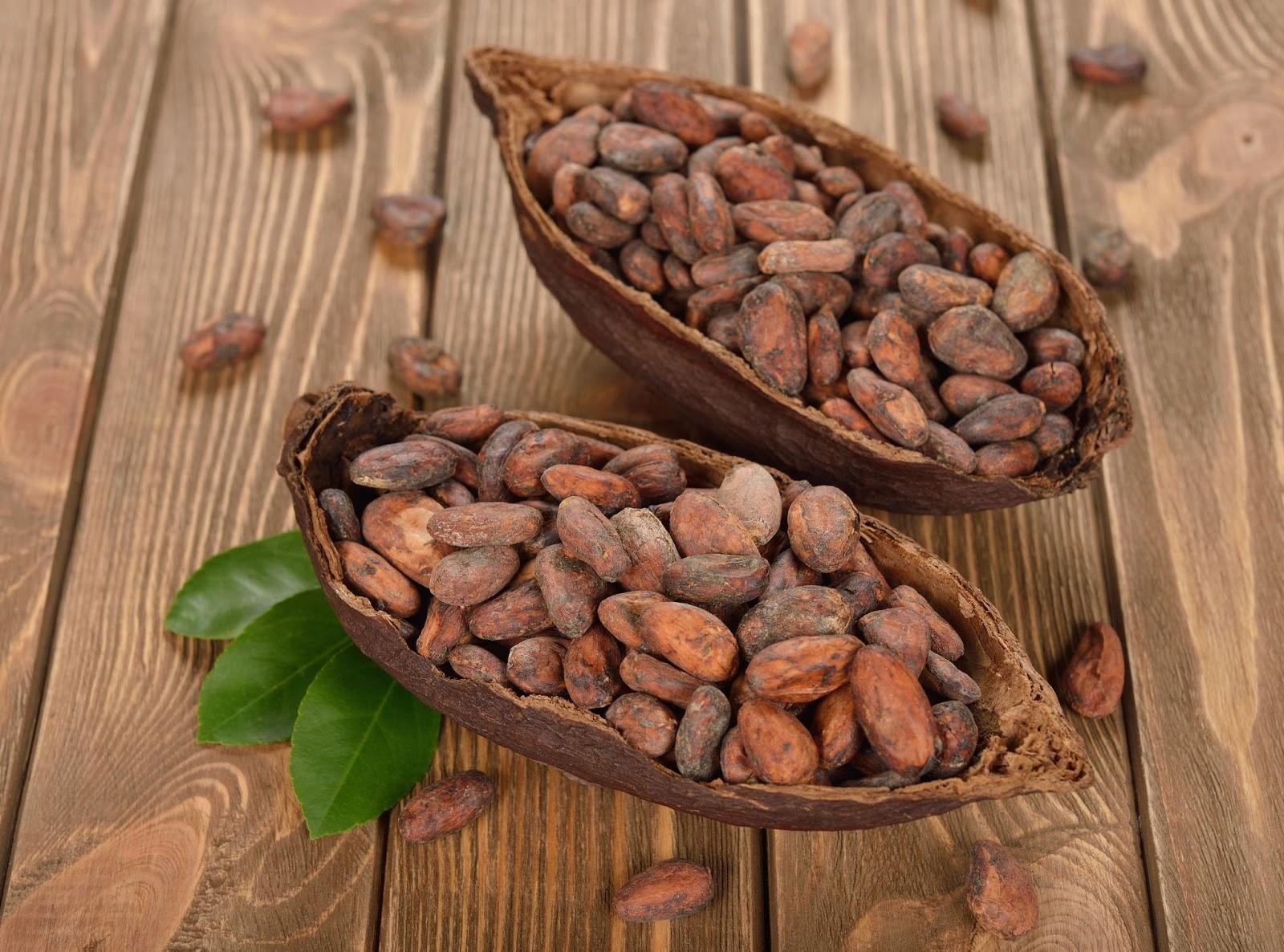
Cacao beans image:

https://legacychocolates.com/about-us/blog/articleid/41/do-cocoa-beans-grow-in-the-usa


Images of early Mayan chocolate:

https://www.mexicolore.co.uk/maya/chocolate/early-history-of-chocolate


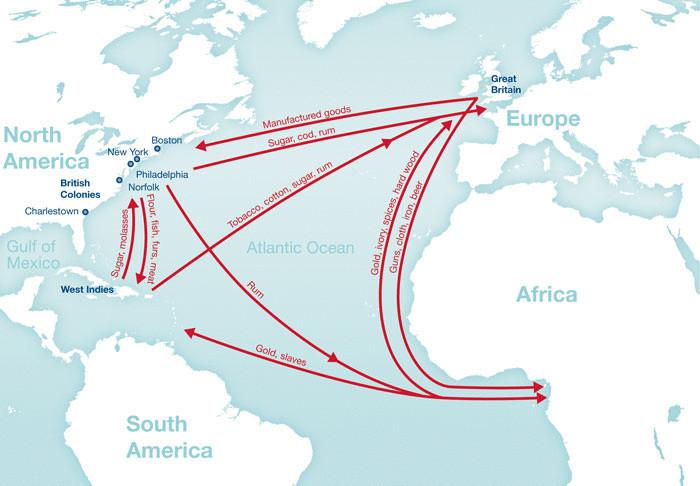
Map trade route source:

https://chocolateclass.wordpress.com/tag/triangular-trade/


Friday, April 30, 2021

NO: planting in our city


The purpose of this experiment is to see how nutrients can make plants grow. We have three tests, one with fertilized “top” soil, one with regular soil, and one with store-bought, good-quality planting soil. After we picked three containers to plant things in, we then measured them for area and volume. Now, we have planted them, and they have been taking nutrients from the soil since. It's been a few days now, but I haven't seen anything sprouting. It's ok though, we have a little while to see the result. I'm excited to see what it turns into, even after the project is due. I've seen beans sprout before, but not from a shoe, or a pill bottle.


We learned about ecosystems which include, Abiotic elements and biotic elements, as well as the distribution, abundance, and interaction of biotic organisms. Another thing we learned about was hydroponics, which is when you use fish urine to fertilize plants. We were taught this when we went on a field experience to Plant Chicago, a small aquaponics and hydroponics farm on the south side of Chicago. Our leader there, Rock, also taught us about how gardening is accessible to almost everyone and everyone should take advantage of it. A group of biotic and abiotic factors that function together. I think the way he explained that the soil was his canvas and the plants were his paint compared gardening to creativity and art very well, and it showed he thinks of the two on the same level, which I found interesting. another thing we learned about Abiotic elements, biotic elements, hydroponics, and different things in the soil. We also learned about the Nitrogen cycle, and how plants take in the nitrogen from the ground and use it to live. Another thing we learned about was different things in the soil. In soil, there are three primary macronutrients, which are Potassium, Phosphorus, and of course, nitrogen. In Fukuoka's natural principles of natural farming, I think the way he explained that the soil was his canvas and the plants were his paint compared gardening to creativity and art very well, and it showed he thinks of the two on the same level, which I found very interesting because I would consider myself an artist and I draw quite a lot, as well as doing non-visual arts like music. I play a lot of guitar and bass. If we had more resources I would maybe plant onions, strawberries, and beans, because they are all very useful plants that happen to help each other.

Thursday, March 18, 2021

who am i ap2: dream-catchers and philosophy


British empiricists think about possible and theorize, but continental rationalists think about only what is likely. I am a continental rationalist. I think like Descartes, I question everything, and doubt reality, cause it's not real in any sense, that's beside the point. I made the dream catchers out of guitar strings and twine. I incorporated the guitar strings because the guitar has been my main source of stress relief and it allows me to be creative, and I can play anything, for nothing is stopping me from doing it. music is a part of me, just like the id, superego, and ego. I have two combined because music and guitar go hand in hand, but I've been getting so much into guitar it's taken over more than half all the music going on In my life. and I'm happy with it. I just wanted to symbolize that a bit more.


my last ap of junior year.

 The end of the year has arrived and so has the course Policy. We've spent the class learning about government and the three branches th...